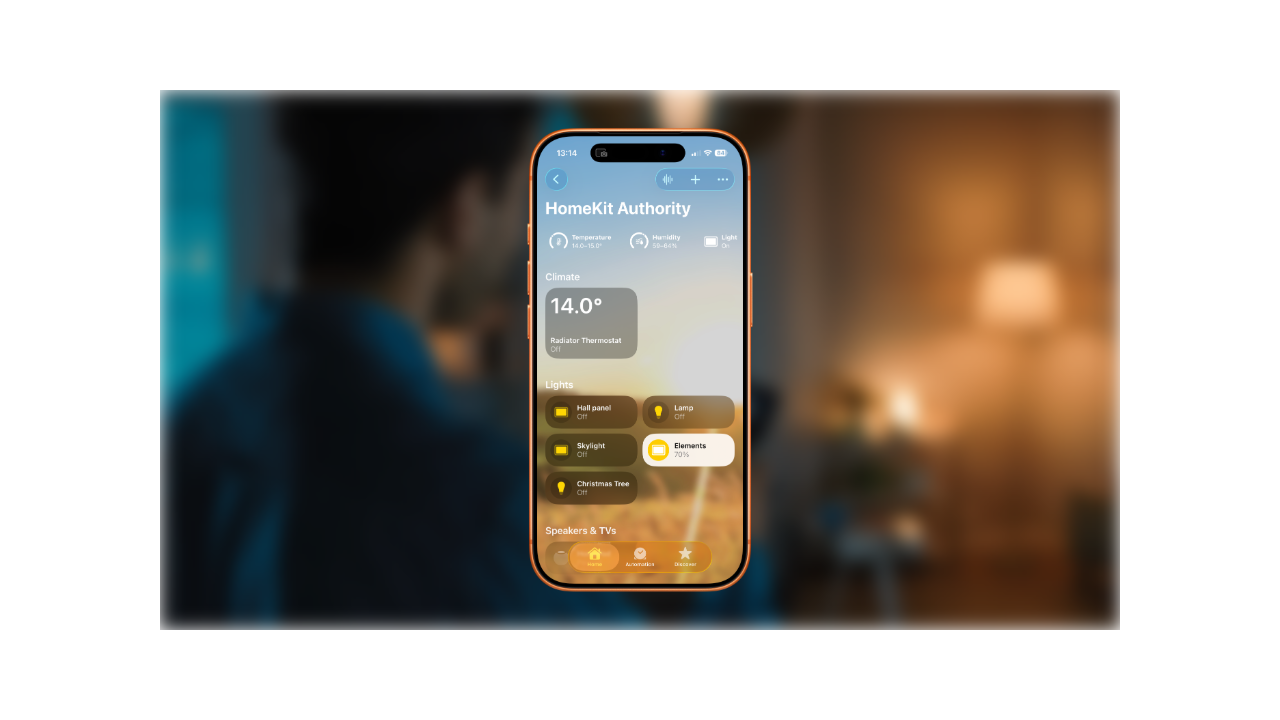
Apple has confirmed that support for its original Apple Home architecture will officially end on February 10, 2026, giving users a final deadline to move to the newer system.
This decision marks the end of a long transition period that began several years ago, as Apple gradually shifted HomeKit toward a faster, more modern underlying architecture.
A Deadline Extension, Not a Reversal
Earlier in 2025, Apple indicated that support for the legacy Apple Home architecture would be discontinued in Fall 2025. That timeline was reinforced by references found in iOS 18.4 developer beta builds, which prompted users to upgrade their Home configuration.
Apple has now pushed that deadline back. According to updated information on Apple’s website, the older architecture will remain operational until February 10, 2026, offering users a few extra months to prepare.
While the delay may come as a relief to some, Apple is making it clear that this is not optional in the long term. Users who do not upgrade before the cutoff date will experience service interruptions once support ends.

Why Apple Wants Users to Upgrade
Apple is positioning the newer Apple Home architecture as a foundational requirement for current and future Home features. Homes that have already migrated gain access to capabilities that are not available on the legacy system, including:
Guest access for shared control of the home
Robot vacuum cleaner support
Activity History within the Home app
These features rely on the newer architecture’s improved performance, reliability, and device handling.
Software Requirements to Continue Using Apple Home
To run the latest Apple Home architecture, all primary devices connected to a home must meet minimum software requirements. Supported platforms include:
iOS 16.2 or later
iPadOS 16.2 or later
macOS Ventura 13.1 or later
tvOS 16.2 or later
watchOS 9.2 or later
Any device running older software versions will lose access to a home that has been upgraded until it is updated. This requirement exists because the modern Apple Home architecture was introduced alongside iOS 16.2.
A Look Back: Why Some Users Stayed on the Old System
Apple first launched the updated Home architecture in November 2022 with iOS 16.2, promising major improvements in speed and responsiveness for HomeKit accessories.
However, the rollout was not smooth. Some users encountered stability issues, prompting Apple to temporarily withdraw the upgrade in December 2022. The new architecture was later reintroduced in February 2023 with iOS 16.4 after further refinements.
Because the upgrade remained optional, many users chose to stay on the original architecture to avoid potential disruption—especially in homes with complex automations or large numbers of accessories.
That option will no longer exist after February 2026.
What Happens After February 10, 2026?
Once support for the legacy architecture ends, homes that have not been upgraded will no longer be supported by Apple. To prevent loss of access or functionality, Apple is urging users to migrate ahead of the deadline.
How to Upgrade to the Latest Apple Home Architecture
Apple has provided a simple process to update an existing home:
Open the Home app on an iPhone, iPad, or Mac
Tap or click the More button
If you manage multiple homes, choose the relevant home first
Select Home Settings
Select Software Update
Choose Update Now and follow the on-screen instructions
Apple notes that upgrading once will update all homes linked to your account, so the process only needs to be completed a single time.